Visual Gap Detective

Reviews
Visual Gap Detective turns a simple concept into an engaging brain teaser. The gradual difficulty curve keeps things interesting without becoming frustrating. The bright, friendly artwork and lack of time pressure make it perfect for all ages. It is a great choice for short, focused play sessions that leave you feeling sharper.
Description
Core Gameplay Loop
Each round presents a picture with a clearly missing section. Below the image, several candidate patches are displayed. Players must compare the colors, shapes, and patterns around the empty area to select the correct piece. There are no timers or penalties for wrong guesses, allowing for relaxed, thoughtful play. This straightforward loop makes the game easy to pick up while still engaging the mind.
Difficulty Ramp
Early puzzles use obvious gaps with strong visual hints, making them ideal for beginners or younger players. As progress continues, the missing sections become more subtle, requiring attention to finer details like slight color shifts or texture differences. This gradual increase in complexity helps build confidence and steadily improves the player's ability to notice small discrepancies.
Visual Style and Atmosphere
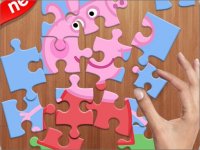
The artwork features cheerful animal characters and everyday items in bright, appealing colors. Nothing in the game is dark or unsettling. The clean user interface keeps distractions minimal, allowing players to concentrate fully on the puzzle. This design makes it a comfortable choice for family play or quiet solo sessions.
Session Length and Benefits
Each puzzle typically takes one to two minutes to complete, making the game suitable for short breaks or waiting periods. Because there is no pressure to rush, players can work at their own comfortable pace. Regular engagement with these puzzles may help strengthen visual memory and pattern recognition, skills that are useful in many everyday situations.
Tips for Better Performance
To improve accuracy, begin by scanning the entire image before examining the patches. Pay close attention to the edges of the empty space, as they often contain clues about the correct shape and color. If a particular puzzle feels difficult, stepping away for a moment and returning with fresh eyes can help. Consistent practice will gradually sharpen your ability to spot mismatches quickly.